A TOM JONES TRIBUTE ACT A1 ABSOLUTE NO.1 TOM JONES TRIBUTE ARTISTE AAAAAAA (7 STAR RATING) TOM JONES TRIBUTE AKA IAN SCOTT - TOM JONES TRIBUTE INTERNATIONAL NO.1 ARTISTE AND WORLD NO.1 FLY BACK SPECIALIST IN OVER 20 COUNTRIES WORLDWIDE - THE VOICE!! AAAAAAA (7 STAR RATED HOTELS PERFORMED IN DUBAI) IAN SCOTT AS TOM JONES TRIBUTE NO.1.
IAN IS FILMED HERE SINGING \
Whole Foods Market (NASDAQ: WFMI) is providing shoppers with a new level of transparency about how farm animals are raised by now offering beef, pork and chicken certified under 5-Step Animal Welfare Rating system (bit.ly/fawOft).
To view Multimedia News Release, go to http://multivu.prnewswire.com/mnr/wholefoods/46970/
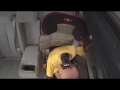
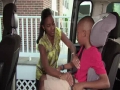
Fifteen of 17 booster seats introduced in 2012 earn the top rating of BEST BET from the Insurance Institute for Highway Safety, evidence that more than ever, manufacturers are designing seats to provide good safety belt fit for booster-age children.
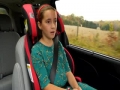
The improvements mean that BEST BET boosters now outnumber seats in any of the three other categories for the first time since the Institute released its inaugural booster ratings in 2008. Boosters are supposed to improve how adult lap and shoulder belts fit children so the belts can properly restrain them in crashes. BEST BET boosters correctly position belts on a typical 4-to-8-year-old child in almost any car, minivan or SUV.
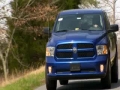
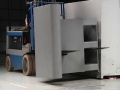
Three out of seven large pickup trucks evaluated by the Insurance Institute for Highway Safety in a new round of crash tests earn an acceptable or higher rating for occupant protection in a small overlap front crash.
IIHS evaluated two body styles of each 2016 model-year pickup — crew cab and extended cab. Crew cabs have four full doors and two full rows of seating. Extended cabs have two full front doors, two smaller rear doors and compact second-row seats.
IIHS last year decided it would test the two most popular variants of large pickups instead of just one after discovering that the Ford F-150 extended cab lacked structural countermeasures that helped the crew cab earn the top rating of good in the small overlap test. The test replicates what happens when a vehicle runs off the road and hits a tree or pole or clips another vehicle that has crossed the center line.
Ford improved the 2016 model F-150 SuperCab to clinch a good rating in the small overlap crash test, up from the 2015 model’s marginal rating. The F-150 is the only large pickup in the latest test group to earn the Institute’s top rating in the test. It joins the F-150 SuperCrew in earning a 2016 TOP SAFETY PICK award when equipped with Ford’s optional basic-rated forward collision warning system.
Vehicles that earn a basic rating for front crash prevention plus good ratings in the small overlap front, moderate overlap front, side, roof strength and head restraint evaluations qualify for TOP SAFETY PICK. To qualify for 2016 TOP SAFETY PICK+, a vehicle must earn good ratings in the five crashworthiness tests and an advanced or superior rating for front crash prevention.
Thirteen out of 16 new booster seats for 2017 earn the Insurance Institute for Highway Safety's highest rating of BEST BET, bringing the total number of boosters on the market with that designation to 118.
The BEST BET rating means a booster provides good safety belt fit for typical 4 to 8 year-olds in almost any car, minivan or SUV. Boosters that are rated GOOD BETs provide acceptable belt fit in almost any vehicle, while those rated Check Fit could work for some children in some vehicles. Seats designated "Not Recommended" don’t provide good belt fit and should be avoided.
Whole Foods Market (NASDAQ: WFMI) today launches the first in-store color-coded sustainability-rating program for wild-caught seafood and commits to phasing out all red-rated species by Earth Day 2013. Through partnerships with Blue Ocean Institute and Monterey Bay Aquarium, Whole Foods Market is the first national grocer to provide a comprehensive sustainability rating system for wild-caught seafood.
To view Multimedia News Release, go to http://multivu.prnewswire.com/mnr/wholefoodsmarket/45932/
The Chevrolet Volt and Nissan Leaf earn the highest safety ratings from the Insurance Institute for Highway Safety in the first-ever U.S. crash test evaluations of plug-in electric cars. The milestone demonstrates that automakers are using the same safety engineering in new electric cars as they do in gasoline-powered vehicles.
The Volt and Leaf earn the top rating of good for front, side, rear, and rollover crash protection. With standard electronic stability control, they qualify as winners of TOP SAFETY PICK, the Institute’s award for state-of-the-art crash protection. The ratings help consumers pick vehicles that offer a higher level of protection than federal safety standards require.
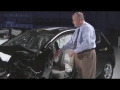
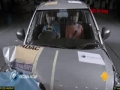
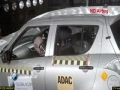
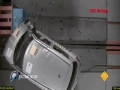
Global NCAP, the umbrella body of consumer car safety testing bodies, welcomes the Indian Government’s initiative to launch a New Car Assessment Programme (NCAP) but believes that this positive step should also be accompanied by action to apply the United Nation’s minimum crash tests standards.
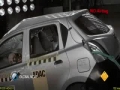
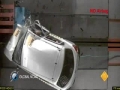
India is now the fifth largest producer in the world of passenger cars but new independent crash tests show why the country should use internationally accepted safety standards. Crash tests of Nissan’s Datsun Go and Maruti-Suzuki’s Swift demonstrate a high risk of life-threatening injuries with both cars receiving zero-star safety rating for their adult occupant protection. These risks would be significantly reduced if the cars had to comply with the UN test regulation for frontal and side impact.
To view the Multimedia News Release, go to http://www.multivu.com/players/English/72762582-nissan-suzuki-safety-test-score/
Global NCAP, the umbrella body of consumer car safety testing bodies, welcomes the Indian Government’s initiative to launch a New Car Assessment Programme (NCAP) but believes that this positive step should also be accompanied by action to apply the United Nation’s minimum crash tests standards.
India is now the fifth largest producer in the world of passenger cars but new independent crash tests show why the country should use internationally accepted safety standards. Crash tests of Nissan’s Datsun Go and Maruti-Suzuki’s Swift demonstrate a high risk of life-threatening injuries with both cars receiving zero-star safety rating for their adult occupant protection. These risks would be significantly reduced if the cars had to comply with the UN test regulation for frontal and side impact.
To view the Multimedia News Release, go to http://www.multivu.com/players/English/72762582-nissan-suzuki-safety-test-score/
Only 3 vehicles of more than 100 evaluated by the Insurance Institute for Highway Safety have child restraint installation hardware that earns a good rating for ease of use, while more than half have hardware that is poor or marginal.
The Institute's new LATCH ratings will serve as a resource for families looking for a vehicle that makes it easy to transport their children safely. They also are intended to encourage vehicle manufacturers to pay attention to this equipment and make improvements. Properly installed, age-appropriate child restraints provide considerably more protection for children in crashes than safety belts alone. However, observational studies have found that parents and caregivers often fail to secure them tightly or make other installation mistakes.
LATCH, which stands for Lower Anchors and Tethers for Children, is intended to make it easier to install a child seat properly. It works: Child restraints installed with LATCH, rather than with vehicle safety belts, are more likely to be installed correctly, research has shown. But in many vehicles, LATCH hardware could be better. Parents are more likely to install the seat correctly when the LATCH hardware meets certain key ease-of-use criteria.
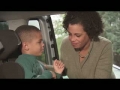
When IIHS began its booster seat ratings in 2008, most models failed to consistently provide good belt fit — the main purpose of a booster. This year, all new models evaluated by the Institute provide good or acceptable fit for typical 4 to 8 year-olds in most cars, minivans or SUVs.
Out of 23 new models evaluated, 20 earn the highest rating of BEST BET, meaning they are likely to provide good fit for a 4- to 8-year-old child in almost any car, minivan or SUV. Another three models are rated GOOD BETs, meaning they provide acceptable fit in most vehicles. There are no new models in the Not Recommended category, nor are there any with the Check Fit designation, which identifies seats that may work for some children in some vehicles.
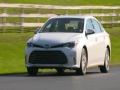
Nearly 50 vehicles meet tougher criteria for 2016 to take home the Insurance Institute for Highway Safety’s TOP SAFETY PICK+ award, earning good ratings in all five IIHS crashworthiness evaluations and an advanced or higher rating for front crash prevention. An additional 13 models qualify for TOP SAFETY PICK.
The baseline requirements for both awards are good ratings in the small overlap front, moderate overlap front, side, roof strength and head restraint tests, as well as a standard or optional front crash prevention system. The 48 winners of the “plus” award have a superior- or advanced-rated front crash prevention system with automatic braking capabilities. These vehicles must stop or slow down without driver intervention before hitting a target in tests at 12 mph, 25 mph or both. Models with a basic-rated front crash prevention system, which typically only issues a warning and doesn’t brake, qualify for TOP SAFETY PICK.
IIHS inaugurated TOP SAFETY PICK in the 2006 model year to help consumers home in on vehicles with the best safety performance. The TOP SAFETY PICK+ accolade was introduced in 2012 to recognize vehicles that offer an advanced level of safety.