Just 15 vehicles qualify for the TOP SAFETY PICK+ award from IIHS after the requirements were strengthened to include good-rated headlights and good or acceptable passenger-side protection in small overlap front crashes.
Another 47 vehicles earn the TOP SAFETY PICK award, which now requires acceptable or good headlights. In contrast, headlights weren’t factored in for 2017 TOP SAFETY PICK, and an acceptable headlight rating was enough to bump a 2017 award winner into "plus" territory.
The inclusion of a passenger-side crash test is a first for any IIHS award. The Institute developed the passenger-side small overlap front crash test after it became clear that some manufacturers weren't paying sufficient attention to the passenger side as they made improvements to achieve better performance in the driver-side small overlap front test.
Parking crashes usually don’t result in serious injuries, but repair costs can quickly mount, along with the hassle of going without the family vehicle while waiting for the body shop to finish work. The Insurance Institute for Highway Safety has launched a rear crash prevention ratings program to help consumers identify models with the technology that can prevent or mitigate low-speed backing crashes. Two systems earn the highest rating of superior, and four earn the second-highest rating of advanced.
Rear crash prevention encompasses several technologies. Parking sensors issue warning beeps and/or seat vibrations when the equipped vehicle gets too close to another vehicle or object directly behind it, or, in some cases, in front of it. Rear cross-traffic alert warns drivers of approaching vehicles that might cross their path as they back up. Rear automatic emergency braking systems detect objects behind a reversing vehicle and may automatically brake if the driver doesn’t heed alerts to stop.
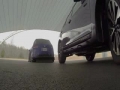
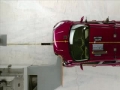
IIHS engineers evaluated rear autobrake systems on six popular 2017 model vehicles — the BMW 5 series sedan, Cadillac XT5 SUV, Infiniti QX60 SUV, Jeep Cherokee SUV, Subaru Outback wagon and Toyota Prius hatchback.
Under the three-tier rating scheme, models with optional or standard rear crash prevention systems are rated superior, advanced or basic. Ratings are determined by whether the vehicles have available rear autobrake and, if so, how it performs in a series of car-to-car and car-to-pole tests with different approach angles. The availability of parking sensors and rear cross-traffic alert also is factored in.
The Outback and XT5 earn a superior rating when equipped with optional rear autobrake, parking sensors and rear cross-traffic alert. The Cherokee, 5 series, QX60 and Prius earn an advanced rating with this optional gear.
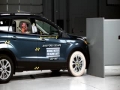
In a new round of evaluations, 5 of 7 small SUVs earn good ratings from the Insurance Institute for Highway Safety for occupant protection in a passenger-side small overlap front crash.
The ratings bring to 16 the number of small SUVs the Institute has evaluated in the passenger-side small overlap front test, which was introduced in 2017 to encourage manufacturers to offer the same level of protection for front-seat passengers as drivers in this type of crash.
The BMW X1; Chevrolet Equinox and its twin, the GMC Terrain; Jeep Compass and Mitsubishi Outlander earn good ratings in the passenger-side small overlap front test. The Mitsubishi Outlander Sport earns a marginal rating, and the Ford Escape earns poor. For the 2018 model year, the Equinox shed weight to join the small SUV size class. Earlier models were classified as midsize.
None of the newly rated 2018 models earns better than acceptable marks for structure. (The Honda CR-V and Mazda CX-5 are the only small SUVs evaluated so far to earn good ratings for structure in the passenger-side small overlap front test.) The Outlander Sport is marginal, and the Escape is rated poor. Both the Outlander Sport and Escape allowed too much intrusion into the occupant compartment on the right side.
Today, VSP Vision Care, the largest not-for-profit vision benefits provider in the United States, and market research agency YouGov released new findings showing that half of people in the U.S. are neglecting their eyes despite 84 percent of people rating vision as their most important sense. This disconnect occurs because people don’t understand the importance of annual eye exams and its connection to overall health.
In fact, only 1 percent of people know that signs of serious conditions like thyroid disease, high blood pressure, autoimmune disorders and certain types of cancer can be detected through annual eye exams. This is concerning because even if you have naturally good vision and don’t need prescription glasses, you still need an annual eye exam to protect your overall health.
To view the multimedia release go to:
https://www.multivu.com/players/English/8363551-vsp-vision-care/