If you are drinking just plain water, you are wasting a great health opportunity. Since most people have acid bodies and are prone to illness, it is to their benefit to drinking their water with fresh lemon juice in it. The major health benefit you achieve is to change your body from acid to more alkaline. This can be done slowly by drinking fresh lemon juice, no sugar or honey, all day long instead of tasteless, plain water.
Be a champion for wellness by liking United Concordia’s Facebook page and casting your vote Oct. 1 – Nov. 30 for one of three national charities – American Diabetes Association, March of Dimes or Arthritis Foundation.
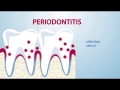
Through the “Champions for Wellness” charity program, visitors who “like” United Concordia’s Facebook page can award a total of $25,000 to charity while learning about the connection between oral and overall wellness.
To view Multimedia News Release, go to http://www.multivu.com/mnr/58162-united-concordia-champions-for-wellness-charity-program
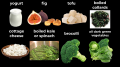
All of us should be concerned with our bone density. Strong bones will make your life healthier and disease free as you age. Discover a few foods that will prevent osteoporosis.
In the U.S., approximately 159,000 women are living with metastatic breast cancer. To raise awareness of Metastatic Breast Cancer Awareness Day on October 13, MedImmune Specialty Care Division of AstraZeneca (NYSE: AZN) is launching the My+Story online resource center, which highlights the needs of women living with metastatic breast cancer and calls attention to metastatic disease as a key component of October’s National Breast Cancer Awareness Month. Metastatic Breast Cancer Awareness Day was officially recognized by the U.S. Congress in 2009, following a grassroots awareness effort led by members of the Metastatic Breast Cancer Network (MBCN).
To view Multimedia News Release, go to http://www.multivu.com/mnr/63080-astrazeneca-metastatic-breast-cancer-awareness
https://tinyurl.com/y23cfj4p
Many people have an inflamed body and don’t know it. They are surprised when they develop arthritis, muscle pain, acid reflux, hiatus hernia, or gout. So how did they get to this point? All disease takes time to develop and gout is no different.
Ever since Donna and John met at work three decades ago, they've had the kind of smooth, comfortable relationship that comes when attraction is accompanied by compatible interests as well as strengths and weaknesses that balance each other. They pictured their senior years as an extension of what Donna Dean calls “this nice, easy life. We didn't see the calamity that was coming.”
Brookdale Senior Living, the nation's largest dementia care provider, has created new resources for care partners as part of National Alzheimer's Awareness Month in November. The candid discussion of many of the disease's most difficult challenges includes an up-close look at Donna's and John’s lives since he developed dementia.
The couple shares on video how following John's diagnosis, they adapted and sustained daily routines, emotional connection and affection. Donna speaks of her uncertainties about how to manage her reactions to behavioral expressions, the adjustment to John's move to a dementia care community and how keeping a journal helped her logistically and emotionally.
To view the multimedia release go to:
http://www.multivu.com/players/English/7722131-brookdale-alzheimers-awareness/
The Light of Life Foundation, ThyCa: Thyroid Cancer Survivors’ Association, Inc., and Eisai Inc. today announced the launch of Myths and Truths About Thyroid Cancer, an interactive, educational campaign designed to help dispel the myth that thyroid cancer is a “good cancer.” Because most thyroid cancers can be successfully treated, many are told if you are going to get cancer, thyroid cancer is the one to have, which has led to this misperception. However, whether successfully treated or not, the truth is all cancers can have a significant impact on a person’s life, beginning with the shock and distress of hearing the word “cancer” at diagnosis. In honor of Thyroid Cancer Awareness Month and the tens of thousands who receive a thyroid cancer diagnosis each year, Myths and Truths About Thyroid Cancer illustrates the life-changing realities of this disease.
“As a thyroid cancer survivor, I urge people to stop referring to thyroid cancer as the ‘good cancer,’ as I believe it downplays patients’ experiences,” said Joan Shey, founder of the Light of Life Foundation. “I hear time and time again from patients how difficult their diagnosis and treatment were and that their scars are more than skin deep. My hope is that this campaign can educate about the many types of thyroid cancer and change the thyroid cancer conversation.”
“Being part of a community of survivors is very important for people coping with thyroid cancer,” said Gary Bloom, thyroid cancer survivor and co-founder and executive director of ThyCa: Thyroid Cancer Survivors’ Association. “ThyCa takes this to heart, which is why we are proud to provide support and resources to the thyroid cancer community. We also know more needs to be done to elevate awareness of thyroid cancer and what patients need in terms of support for the rest of our lives.”
To view the multimedia release go to:
http://www.multivu.com/players/English/7595951-eisai-thyroid-cancer-myths/
New York Yankees all-time great Bernie Williams is teaming up with Boehringer Ingelheim to raise awareness of a lung disease called idiopathic pulmonary fibrosis (IPF) that his father suffered from for years before he passed away in 2001. His father, Bernabé, inspired Williams to play baseball and make it to the Major Leagues, and taught him to play guitar which has become William’s second career since retiring from baseball.
In honor of his father’s battle with IPF, Williams has joined the Breathless™ campaign to turn his family’s devastating experience with this rare lung disease into a chance to help other families. Williams hopes to educate and empower others who think they may have IPF to seek early diagnosis and treatment and is encouraging people to visit the campaign website – www.BreathlessIPF.com – and share the videos and educational content through social media channels such as Facebook and Twitter.
To view the multimedia release go to:
https://www.multivu.com/players/English/8058551-bernie-williams-ipf-breathless-campaign/
Soy consumption is up 14 percent since 2011,26 yet confusion lingers over soy’s role in everything from human health to food production. To clear up misperceptions, the United Soybean Board (USB) busts five common soy myths with science-backed facts on SoyConnection.com/soy-wisdom.
1) Eating soy does not increase breast cancer risk.
Clinical studies show soy isoflavone exposure does not adversely affect breast tissue as assessed by markers of breast cancer risk, such as breast cell proliferation.1–7 The American Institute for Cancer Research and the American Cancer Society say that women who have been diagnosed with breast cancer can safely consume soyfoods. In fact, the World Cancer Research Fund International has identified a link between soy consumption and an improved survival of breast cancer patients.8-9
“Not only does evidence indicate soyfoods may benefit women with breast cancer, but consuming soy when young helps prevent the onset of this disease later in life27-30,” stated Mark Messina, Ph.D., who has dedicated the past 30 years to understanding the health effects of soyfoods.
To view the multimedia release go to:
http://www.multivu.com/players/English/7877951-united-soybean-board-top-soy-myths/
Urgent action is needed to improve the diagnosis and management of CDI, which is the main cause of hospital-acquired (nosocomial) diarrhoea in industrialised countries.2 In a report launched today, during a meeting hosted by the European Healthcare and Hospital Federation (HOPE), experts from across Europe highlight the current deficiencies in the management of CDI and outline the steps that are needed to address them.
To view Multimedia News Release, go to http://www.multivu.com/mnr/60637-astellas-report-diagnosis-management-CDI
Boston Scientific (NYSE: BSX) has received U.S. Food and Drug Administration (FDA) approval for the SYNERGY™ Bioabsorbable Polymer Drug-Eluting Stent System (BP-DES) for the treatment of coronary artery disease.
With this FDA approval, Boston Scientific will commence commercialization of the first and only BP-DES in the U.S. Notably, both the drug coating and the polymer – which modulates drug release – are fully absorbed shortly after drug elution is complete at three months.
The SYNERGY Stent provides synchronized drug and polymer absorption. It is designed to enable more rapid and complete arterial healing, and to thereby reduce the risk of complications associated with long-term polymer exposure compared to currently-used drug-eluting stents (DES) with permanent polymers.
To view the multimedia release go to:
http://www.multivu.com/players/English/7223456-boston-scientific-fda-approval-synergy/
Ever since Donna and John met at work three decades ago, they've had the kind of smooth, comfortable relationship that comes when attraction is accompanied by compatible interests as well as strengths and weaknesses that balance each other. They pictured their senior years as an extension of what Donna Dean calls “this nice, easy life. We didn't see the calamity that was coming.”
Brookdale Senior Living, the nation's largest dementia care provider, has created new resources for care partners as part of National Alzheimer's Awareness Month in November. The candid discussion of many of the disease's most difficult challenges includes an up-close look at Donna's and John’s lives since he developed dementia.
To view the multimedia release go to:
http://www.multivu.com/players/English/7722131-brookdale-alzheimers-awareness/