Adults over the age of 60 are at the greatest risk of atrial fibrillation (AF), a potentially life-threatening heart rhythm disorder. Yet, according to a recent survey conducted by the Heart Rhythm Society (HRS), more than 25 percent of Americans between the ages of 55 and 64 have never heard of AF. Today marks the kick-off of HRS’ second annual “A-Fib Feels Like” campaign to help educate Americans about the symptoms and warning signs associated with AF and encourage those who suffer from the disorder to talk to their doctors about their risks and potential treatment options.
To view Multimedia News Release, go to http://www.multivu.com/mnr/57735-a-fib-feels-like-campaign-warning-signs-atrial-fibrillation
Bees are responsible for one in every three bites of food we eat, but their populations are in decline, threatening the food supply as we know it today. According to a recent survey conducted by Cascadian Farm, more than 60 percent of Americans are unfamiliar with colony loss, the phenomenon characterized by honey bees abandoning their hives, never to return. Beyond honey bees, one-third of America’s native bumble bee species are now at risk of extinction. Today, Cascadian Farm—in partnership with The Xerces Society for Invertebrate Conservation and the University of Minnesota Bee Lab—announced its ‘Bee Friendlier’ program to increase awareness of these critical issues and encourage simple actions to help bees thrive.
To view the Multimedia News Release, go to http://www.multivu.com/players/English/7330451-cascadian-farm-bee-friendlier-helps-bees-thrive/
Work intensity among European workers is still high, and it has not increased over the past five years, according to the first findings of the 5th European Working Conditions Survey, out today.
The survey also found that for most workers (67%), the pace of work is set by direct demands from people and working at high speeds remains high. The extent to which workers can make their own decisions about how they do their job has not improved, leaving a large number of workers ill-equipped to deal with work’s demands. European workers also remain as exposed to physical hazards, however, as they did 20 years ago.
To view Multimedia News Release, go to http://multivu.prnewswire.com/mnr/prne/eurofound/46312/
https://youtu.be/nBx4b8mXtd4 It’s not just the times that change, it’s the customer, too. If you’re using only old marketing tactics from 2000, or even 2012, you’re on the wrong track. Customers are evolving, and so are their needs. Fail to meet their needs, fail to get their cash. We’ve collected relevant articles, statistics and survey results that clearly illustrate what customers want, and how you can give them what they want, quickly and easily.
April is National Financial Literacy Month, and it couldn’t have come at a better time. Between rapidly increasing prices in gas and food along with sluggish economic growth, consumers are feeling more pinched each week. In fact, according to a recent survey by Career Builder, 77 percent of American consumers are living paycheck to paycheck.
To view Multimedia News Release, go to http://multivu.prnewswire.com/mnr/moneymanagement/46172/
23andMe, working in collaboration with the Milken Institute and Lundbeck, today announced that they have commenced enrollment for a first-of-its kind genetic study designed to gain understanding of the underlying biology of major depressive and bipolar disorders. This study will combine cognitive assessments with genetic data and survey responses to assess how genes influence brain processes – such as attention, decision-making and visual perception – in individuals who live with these serious mental health conditions.
“We know genetics play a role in the development of depression and bipolar, however there is a long pathway from our genes to the manifestation of complex diseases like these,” said Emily Drabant Conley, PhD., Vice President of Business Development at 23andMe. “We need to look at these conditions in a more comprehensive way to advance our understanding. By studying cognitive function alongside genetics and other environmental variables on a massive scale, we hope to take a significant step forward in the study of depression and bipolar.”
To view the multimedia release go to:
https://www.multivu.com/players/English/8150951-23andme-genetic-study-depression-bipolar-disorders/
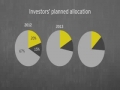
As asset growth in traditional hedge funds from institutional investors continues to slow, hedge fund managers are pinning their hopes on the power of new products to attract investor assets and drive growth. However, many are underestimating the costs involved and the effect on margins, according to EY’s 2014 global hedge fund and investor survey: Shifting strategies: winning investor assets in a competitive landscape.
To view the Multimedia News Release, go to: http://www.multivu.com/players/English/7365751-ey-survey-institutional-investors-shifting-allocation-strategies-driving-hedge-funds-towards-new-products/
As the hedge fund industry matures, managers who survived the financial crisis are now beginning to focus on growing beyond their original business models, according to EY’s seventh annual survey of the global hedge fund market, Exploring pathways to growth. However, the survey shows that while managers want to grow their assets under management through new products and distribution channels, investors do not necessarily plan to increase allocations to hedge funds and are not interested in buying multiple products from one manager.
To view the Multimedia News Release, go to http://www.multivu.com/mnr/64370-ey-seventh-annual-survey-of-the-global-hedge-fund-market
Despite increasing regulatory requirements for hedge funds, only 10% of investors feel that regulations effectively protect their interests, and 85% of investors do not believe these requirements will help prevent the next financial crisis, according to Ernst & Young’s sixth annual survey of the global hedge fund market, Finding Common Ground.
To view Multimedia News Release, go to http://www.multivu.com/mnr/59011-ernst-young-global-hedge-fund-survey-perceived-benefits-of-regulation
Flying takes a heavy toll on Americans’ performance: according to results released today from a 1Above survey conducted online in May by Harris Poll among over 2,000 U.S. adults, 81% of U.S. fliers (Americans who’ve ever flown) whose most recent flight was an hour or longer say they need one full day or more to recover after a flight. Yet results show poor hydration and flying habits abound - factors that greatly exacerbate jet lag symptoms and health risks long after each flight. 1Above, the New Zealand brand behind the flight drink designed to help people combat jet leg and arrive ready, is releasing these findings as they launch in North America this week.
To view the Multimedia News Release, go http://www.multivu.com/players/English/7540851-1above-flight-drink-survey/
Today on World Oral Health Day, FDI World Dental Federation is myth busting what people around the world believe to be good oral health practices, encouraging them to become better informed and take action. Oral health is integral to our general health and well-being; impacting every aspect of our lives.
The results from a survey carried out in 12 countries, by YouGov on behalf of FDI, exposed a significant gap between what people believe to be good oral health practices, versus what they actually do. Eight of the countries reported that 50 percent or more of the people surveyed think it is important to brush your teeth straight after every main meal. Brazil, Mexico, Egypt and Poland were the worst offenders of this incorrect oral health practice (84%, 81%, 62% and 60% respectively). FDI recommends waiting at least 30 minutes after eating to brush your teeth to avoid weakening tooth enamel.
To view the multimedia release go to:
https://www.multivu.com/players/uk/8061551-global-survey-world-oral-health-day/