The Dreaming Tree Wines, a California wine brand from award-winning winemaker Sean McKenzie and musician Dave Matthews, is proud to announce it has hit $1 Million in charitable donations to environmental organizations The Wilderness Society and Living Lands & Waters in support of reforestation and conservation, a goal it set out to achieve six years ago when the brand was launched.
The Dreaming Tree began with a mission to create sustainably produced and packaged wines, as well as ensure that a portion of proceeds from every bottle purchased benefits organizations on the front lines of environmental conservation by planting trees and protecting the nation’s forests. “The more work we can do like this in towns and cities around the world, the more we can change the outcome of the future of those communities,” says The Dreaming Tree Wines co-conspirator Dave Matthews. “I really feel grateful that there are organizations like The Wilderness Society and Living Lands & Waters that can turn this into a reality.”
To view the multimedia release go to:
https://www.multivu.com/players/English/8127651-dreaming-tree-dave-matthews-wine-environmental-conservation-charity-sustainability/
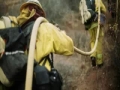
The National Climate Assessment: Climate Change Impacts in the United States concludes that warmer and drier conditions have already contributed to increasing wildfire events across the western United States, and future increases are projected in some regions. Already this year, there have been over 44,000 wildfires that have damaged or destroyed almost 8.5 million acres. Long periods of record high temperatures are associated with droughts that contribute to dry conditions and drive wildfires in some areas.
USDA Secretary Vilsack recently stated, “This year, we are experiencing yet another devastating wildfire season, particularly in the drought-ravaged West. Climate change, drought, fuel buildup, insects and disease are increasing the severity of unprecedented wildfire in America's forests and rangelands, which impacts the safety of people, homes and communities. Development close to forests has also increased the threat to property, with more than 46 million homes in the United States, or about 40 percent of our nation's housing, potentially at risk from wildfire.”
To view the multimedia release go to:
http://www.multivu.com/players/English/7607931-fema-national-prepareathon/
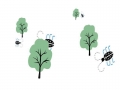
A vastly changing landscape would certainly capture one’s attention. The nation’s trees face an immediate threat from the Asian longhorned beetle (ALB), a devastating invasive pest with no natural predators. With up to 70 percent of the U.S. tree canopy at risk of being lost to this pest, the U.S. Department of Agriculture (USDA) is spreading the word about the beetle this summer with a series of TV, radio and print public service announcements (PSAs).
The adult Asian longhorned beetle (ALB) is active throughout the summer months and into the fall. This invasive pest was first discovered in the U.S. in 1996, likely arriving here unknowingly inside wood packing material from Asia. The insect threatens recreational areas, forests, and suburban and urban shade trees. The beetle attacks 12 genera of trees, including birch, maple and elm. It is truly a landscape-altering invasive pest. And all states are at risk.
To view the multimedia release visit:
http://www.multivu.com/players/English/7569951-usda-psa-asian-longhorned-beetle/
A devastating invasive pest with no known natural predators threatens recreational areas, forests, and suburban and urban shade trees. Once a tree is infested, it must be removed, which is why the United States Department of Agriculture (USDA) has designated August as Tree Check Month to encourage the public to look for signs of a devastating invasive pest, the Asian longhorned beetle (ALB). The USDA is asking for help spreading the word about how the public can help save trees with a PSA TV spot, radio scripts, and print advertisements.
To view the Multimedia News Release, go to: http://www.multivu.com/players/English/7277051-usda-august-tree-check-month-asian-longhorned-beetle-invasive-pest-psa/
With crystal clear water, white sand
beaches, lush rain-forests and tropical islands, it's easy to see why
Fiji was voted the happiest place on Earth. Go to http://www.fiji.travel or http://www.facebook.com/Fiji to find out more.
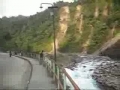
The northern part of Bengal is known for its dense forests and many underrated scenic locations that make way for superb getaways. One of such places is Bhutanghat, best known for offering unique leisurely holidays and angling. It is close to River Raidak bordering Bhutan and is one of the most well known places among visitors to the area.
To get more information Knock us... http://www.dooarsecoviillege.com, contact@dooarsecoviillege.com, Phone- CL... +91-983-069-4705 / +91-900-700-8366 / +91-974-889-7048
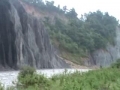
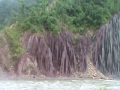
Bhutanghat, 45 km from Alipurduar in West Bengal, is famous for its scenic beauty. Located near the border with Bhutan, this region is blessed by the river Raidak. Bhutanghat is a mountainous terrain, flanked by hills covered with abundant green forests. Bhutanghat is elephant country and is an attractive destination for wildlife lovers.
To get more information Knock us... http://www.dooarsecoviillege.com,contact@dooarsecoviillege.com,Phone- CL... +91-983-069-4705 / +91-900-700-8366 / +91-974-889-7048
Enjoy an exciting elephant safari in the early morning. Jaldapara Wildlife Sanctuary is one of India's best forests. Some other places located nearby include Gorumara National Park and Chilapata Forest, where you can find the remnants of the fort of Nal King. To get more information Knock us...http://www.dooarsecoviillege.com,Phone- CL... +91-983-069-4705 / +91-900-700-8366 / +91-974-889-7048
North Bengal is truly a treasure hunt for the nature lovers, especially for those who are looking for a periodical escape from the hustle and bustle of modern city life.North-Bengal is endowed with some of the richest natural forests in India.From tourism aspects North Bengal has immense potential to cater the needs of all kinds of travelers.
Bindu is the last village on the Indian side bordering Bhutan. It is known for its beautiful landscape with Jaldhaka River, hills and forests, which attracts a lot of tourists. There is a conjunction of three streams at Bindu. There is a dam known as Bindu Dam over the Jaldhaka river which is used for controlling water supply to the Jaldhaka Hydel Project at Jhalong and acts as a bridge for crossing over to Bhutan.
North Bengal is endowed with some of the richest natural forests in India. We Dooars Ecoviillege offer exciting jungle safari at North Bengal, includes jungle camp, jungle trek elephant safaris are conducted at Gorumara, Chapramari and Jaldapara.
TD Bank, America’s Most Convenient Bank®, today announced that it plans to protect approximately 214 acres of critical forest habitat as part of the bank’s TD Forests program (www.td.com/forests). In partnership with The Nature Conservancy, the bank will protect oak-hickory and hemlock-northern hardwood forests in New York’s Finger Lakes region, and oak-hickory-cabbage palm and upland mixed forests in Central Florida.
To view Multimedia News Release, go to http://www.multivu.com/mnr/58522-td-bank-nature-conservancy-protect-new-york-central-florida-forests