More than 10 million (1 in 6) seniors in the U.S. face the threat of hunger and more than 15 million (1 in 4) are living in isolation. Meals on Wheels America is a national network of local community organizations that deliver meals, friendly visits and safety checks to our nation’s most vulnerable seniors. With the senior population projected to double by 2050, and an aging volunteer base, Meals on Wheels America, in partnership with the Ad Council, is launching its first national integrated campaign this summer to recruit a new pipeline of volunteers to meet the growing need.
Every day, Meals on Wheels volunteers deliver one million meals and smiles to seniors in need across the country. The current network represents more than 5,000 local programs in virtually every community in America and relies on an army of two million volunteers to deliver meals five days a week, typically between 11 am and 1 pm. Beyond providing nutrition, delivering a meal also provides a moment of human connection that nourishes both the senior and the volunteer. For many seniors, the volunteer may be the only person they will see that day. According to a survey of current Meals on Wheels volunteers, more than 75 percent are over the age of 55, and the average age of volunteers is 62, making it critical to recruit additional volunteers to keep the wheels rolling for future generations.
To view the multimedia release go to:
http://www.multivu.com/players/English/7867951-ad-council-meals-on-wheels/
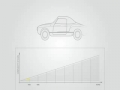
Do you know the condition of your vehicle’s battery? For a majority of drivers, the battery is unnoticeable unless the engine refuses to start, which happens more frequently in the cold and rainy winter seasons. “Extreme temperatures, irregular use, short trips and the age of a vehicle influence the starting power of a battery,” says Dr. Christian Rosenkranz, Vice President Engineering at battery manufacturer Johnson Controls. He explains the four main causes of battery failure and how drivers can safeguard against it.
To view the multimedia release go to:
http://www.multivu.com/players/uk/7977951-johnson-controls-batteries-safeguard/
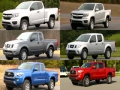
Four out of eight small pickup trucks evaluated by the Insurance Institute for Highway Safety earn good ratings for occupant protection in all five IIHS crashworthiness evaluations, but the lack of an automatic emergency braking system and poor-rated headlights means these pickups fall short of qualifying for either of the Institute’s safety awards.
IIHS engineers evaluated two body styles of each pickup — crew cab and extended cab. Crew cabs have four full doors and two full rows of seating. Extended cabs have two full front doors, two smaller rear doors and compact second-row seats. The Institute tests the two most popular versions of pickups because their performance can vary by body style. The ratings in this round of evaluations apply to 2017 models.
TeleTech Holdings, Inc. (NASDAQ: TTEC) a global customer experience company that designs, builds and operates captivating omnichannel customer experiences on behalf of the world’s most prestigious and innovative brands announced today that it has changed its name to TTEC (pronounced T-tec). With this new name, the company is affirming that it has successfully evolved to become an end-to-end strategic business partner in the design and delivery of world-class customer experience, engagement, growth, and digital trust and safety services.
To view the multimedia release go to:
https://www.multivu.com/players/English/8226851-cx-innovator-teletech-announces-name-change-to-ttec/
E-Alternative Solutions (EAS), a sister company to Jacksonville-based Swisher International, today launched a national advertising campaign for the Cue™ Vapor System (Cue) (patent pending), a breakthrough alternative to smoking. Cue is vaping made simple, providing fulfilling satisfaction in a premium-performance, stylish device that any adult smoker can operate with just the click of a cartridge and the push of a button. The closed system enables consumers to sidestep the complicated, and sometimes messy, process of using typical vaping devices. Cue is available for purchase online with appropriate age verification by visiting www.cuevapor.com.
To view the multimedia release go to:
https://www.multivu.com/players/English/8038851-e-alternative-solutions-eas-cue-vapor-system/
Join Shana on her great adventure-of-the-heart. As she spends time with her family ‘shopping’ for hugs. This sweet story, inspired by an actual event, teaches children the importance of patience & self-reliance, empathy & self-awareness and to always trust their instincts. In addition, The Hug Store book “extras” also features research on why hugs are important as well as safety recommendations to discuss with children when hugging.
https://www.facebook.com/TheHugStoreBook/ children, self-help
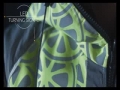
Karl Lagerfeld (famous French designer) featured in an advertising video for the yellow safety vest: “it is ugly and fits no one but it could save your life”
The young French start-up, Urban Circus, made this fashion guru’s statement false by creating a collection that has nothing left in common with the yellow safety vest but the norms it follows.
Stylish look, awesome cut, respected norms (EN1150 or ISO 20471), the yellow safety vest is no longer ugly, nor yellow, but a piece of a collection, coming straight from the street and its inspirations. Road safety becomes fun and colorful.
A style that goes along with the new means of transportation and the fabulous success of electrical, modern urban mobility. This jacket was made for this use precisely.
To view the multimedia release go to:
http://www.multivu.com/players/uk/7985151-yellow-safety-high-tech-vest-fashion/
Auto and tech companies are coming together to put driverless cars on the road. Data is what's powering the race. From design and manufacturing to safety and services, data is informing every step of the process towards fully autonomous vehicles. As transformative as they are, self-driving, connected cars are just one component in a much-larger data-collection network soon to be on the world's roads and highways.
What's the future of transportation look like with self-driving and human-driving cars side-by-side? How will the data--some estimates go as high as 1GB per second--from driverless cars be put to use?
To view the multimedia release go to:
http://www.multivu.com/players/English/7889731-bloomberg-western-digital-bgovdata/
Milestone Systems XProtect® open platform video management software (VMS) was at the core of the collaborative effort between the 2014 New York City Marathon team and many local agencies. The networked solution integrated components from top vendors of IP and wireless security systems equipment, including remote and mobile technology that resolved issues of critical overview for ensuring safety at this huge event.
To view the Multimedia News Release, go to http://www.multivu.com/players/English/7487151-nyc-marathon-with-partner-power/
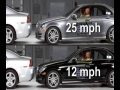
Less than a year into a new Insurance Institute for Highway Safety ratings program for front crash prevention, auto manufacturers are making strides in adopting the most beneficial systems with automatic braking capabilities and are offering the features on a wider variety of models. Twenty-one of 24 cars and SUVs, all 2014 models unless noted, earn an advanced or higher rating in the latest round of IIHS evaluations.
According to the Bureau of Labor Statistics, the percentage of construction industry deaths from falls has continued to rise, and currently stands at 38.8%. This means that out of 937 total deaths in the construction industry, 364 of them were caused by a fall. And that is just one of the many reasons why global safety equipment manufacturer MSA Safety Incorporated (NYSE: MSA) will host fall protection demonstrations throughout the U.S. May 8-12, 2017 during OSHA’s National Safety Stand-Down. MSA is proud to participate in OSHA’s Safety Stand-Down, which is now in its fourth year, to remind and educate employers and workers in the construction industry about the serious dangers of falls and injuries due to falling objects.
To view the multimedia release go to:
https://www.multivu.com/players/English/8043552-msa-osha-national-safety-stand-down-week/
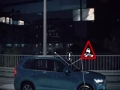
“Imagine a world where road status data collected by cars is shared with other road users and with local authorities through a connected car cloud such as the Volvo Cloud: A world where the benefits of anonymized data-sharing support convenience and life-saving services while helping to contribute to a better society. Volvo Cars is working on realising such a future scenario,” said Klas Bendrik, Vice President and Group CIO at Volvo Cars Group.
To view the Multimedia News Release, go to: http://www.multivu.com/players/English/7456951-volvo-connected-car-vision/