General Mills announced today that by the end of 2020, oat farms that supply oats for Honey Nut Cheerios will host approximately 3,300 total acres of dedicated flower-rich pollinator habitat. It takes about 60,000 acres of oats to make Honey Nut Cheerios products each year. More than two thirds of the crops used to feed people, accounting for 90 percent of the world’s nutrition, are pollinated by bees.1 Flower-rich habitat is critical in helping maintain the nutritional health of bees and the continued supply of crops that we depend on for food. Without bees and other pollinators, food as we know it would be forever changed.
Bees have experienced an unprecedented scale of habitat loss with more than 9 million acres of grass and prairie land converted to crop land since 2008.2 Although Honey Nut Cheerios famous spokesbee, Buzz Bee, and his honey bee friends may not be in danger of extinction like some other pollinators, in the interest of protecting our food supply, Honey Nut Cheerios is committed to helping all pollinators thrive through the planting of these habitats.
“Pollinator habitats are one of the most effective solutions in ensuring bees get the daily nutrition they need,” said Dr. Marla Spivak, a world-renowned bee scholar at the University of Minnesota who has been collaborating with General Mills on this initiative. “Every day, 4,000 species of North American bees are traveling from flower to flower, shopping for the variety of good nutrition they need in order to thrive. My hope is this partnership between farmers, the Xerces Society and General Mills will not only beautify the North American countryside with vibrant wildflowers, but also help the bees we all rely on so much get back on their own six feet!”
To view the multimedia release go to:
http://www.multivu.com/players/English/7803951-honey-nut-cheerios-pollinators/
GSK Consumer Healthcare and FLONASE® Sensimist™ Allergy Relief, along with Emmy® Award-winning choreographer and entertainer Derek Hough, today announced the launch of the 2017 Greater American Road Trip featuring social media’s favorite family, the Eh Bees. On Thursday, March 16, the Eh Bee family will begin their coast-to-coast journey to rethink allergy treatment and leave each city a little bit greater than they found it.
Derek, along with Eh Bee family members Mama Bee and her son Mr. Monkey, all suffer from allergies, but are determined to be greater than their itchy, watery eyesi and congested noses with the help of new FLONASE Sensimist. After kicking off the journey together in Los Angeles, Derek will challenge the Eh Bees and their allergies as they partner with local organizations throughout some of the worst allergy cities in the country.
To view the multimedia release go to:
https://www.multivu.com/players/English/8061451-flonase-greater-american-road-trip-derek-hough-eh-bee/
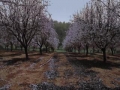
The Häagen-Dazs brand is helping to change the way ingredients are grown to better support bee populations by working hand-in-hand with its farmer suppliers. The internationally-recognized ice cream brand has installed one of the largest, privately funded pollinator habitats on the farmland of its almond supplier in California’s Central Valley. No stranger to helping the bees, the brand aims to impact additional ingredients used throughout its super-premium ice cream portfolio and positively influence sustainable agriculture practices.
The “Häagen-Dazs Loves Honey Bees” program launched in 2008, and today is expanding from research and educational funding to hands-on initiatives that will rejuvenate pollinator habitats to allow native bees to flourish. Located in Chowchilla, California, the habitat consists of six and a half miles of hedgerow and 11,000 native drought-tolerant shrubs and flowering plants, impacting 840 acres of farmland. In order to supply what pollinators need, the Häagen-Dazs brand worked with expert agronomists and the Xerces Society to maximize the impact of the habitat by choosing regional plants that are attractive to pollinators. Looking forward, the team will work to create custom habitats for more of its ingredient suppliers who depend on bees to pollinate their crops.
To view the multimedia release go to:
https://www.multivu.com/players/English/8075051-haagen-dazs-sustainable-agriculture-bees-pollinator-habitats/