The full set of data from EUCLID, the largest ever prevalence study of Clostridium difficile infection (CDI) across Europe, were presented today at the 24th European Congress of Clinical Microbiology and Infectious Diseases (ECCMID). Data from 482 European hospitals reveal that in a single day, an average of 109 cases of CDI are missed due to a lack of clinical suspicion or inadequate laboratory testing, potentially leading to more than 39,000 missed cases in Europe each year.
To view the Multimedia News Release, go to: http://www.multivu.com/mnr/71400524-EUCLID-clostridium-difficile-infection
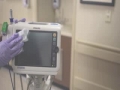
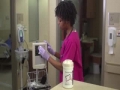
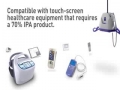
PDI, a leader in infection prevention products and solutions, announced the launch of its new EASY SCREEN™ CLEANING WIPE. This new product addresses the increasing use of touchscreen equipment in healthcare and the need for compatible cleaning products.
According to the Epocrates 2014 Mobile Trends Report, the presence of “digital omnivores,” a clinician regularly using digital devices including tablets, smartphones and computers, was 41 percent in 2014 and was predicted to increase to 74 percent in 2015. One of the biggest surges was expected to come from tablet usage, going from 45 percent in 2014 to 80 percent in 2015. Withstanding the apparent increase in touchscreen device usage in healthcare, a June 2015 study in the American Journal of Infection Control stated that proper protocols are lacking to address sensitive surfaces like touchscreen devices.
“Healthcare facilities are advancing everyday and it’s vital that we, as infection prevention leaders, are aware of the changes that are happening and able to adapt quickly. We created the EASY SCREEN™ CLEANING WIPE in response to the increasing usage of touchscreens and the need for a compatible product that wouldn’t damage the technology,” said PDI Senior Product Manager, Melanie Waddell.
To view the multimedia release go to:
http://www.multivu.com/players/English/7782451-pdi-easy-screen-cleaning-wipe/
An international survey conducted by GSK and released for World Meningitis Day shows gaps in the knowledge parents feel they have about meningococcal disease and its potential consequences. Almost 7 in 10 parents said they don’t know enough about the different strains of meningococcal disease and the potential damage they can cause. On average, more than half of parents were either unsure or unaware that there are different types of bacteria that cause the disease.
The survey of 5,000 parents in Brazil, Canada, Germany, Italy and Portugal also shows that out of a list of 14 vaccine-preventable diseases, meningococcal disease is considered by many parents to pose a top three health risk to their children. Fifty-seven percent listed meningococcal disease among the top three health conditions they considered of greatest risk to children followed by Hepatitis B at 34 percent, pneumococcal disease at 27 percent, polio at 25 percent, tetanus at 20 percent and pertussis at 17 percent.
A sudden, potentially life-threatening illness, meningococcal disease kills on average one person every eight minutes worldwide. It typically manifests as bacterial meningitis – an infection of the membrane around the brain and spine; or bacteraemia – a bloodstream infection. The disease progresses rapidly and it can lead to death within 24-48 hours of the first symptoms; globally up to 1 in 10 of those infected may die and in the US about 10-15 percent of people will die.
To view the multimedia release go to:
http://www.multivu.com/players/uk/7814851-gsk-survey-world-meningitis-day/
Oro Valley Audiology
2542 E Vistoso Commerce Loop Rd, Tucson, AZ 85755, USA
(520) 825-4770
https://hearintucson.com/hearing-aids-tucson/
https://www.google.com/maps?cid=7471816986561274177
https://www.google.com/search?q=Oro+Valley+Audiology&kponly&kgmid=/g/1thx4hd3
When trying to find a hearing aid, explore your alternatives to comprehend what kind of listening devices will work best for you. See your doctor to dismiss correctable causes of hearing loss, such as earwax or an infection. And have your hearing tested by a hearing expert (audiologist).
Seek a recommendation to a trusted audiologist. If you do not know an excellent audiologist, ask your doctor for a referral. An audiologist will assess your hearing and help you select the most appropriate listening devices and adjust the device to satisfy your needs.