U.S. Department of Energy (DOE) and the Ad Council today launched a national consumer education campaign to help consumers save money on utility bills. Created pro bono by Texas-based advertising agency GSD&M, the public service advertisements (PSAs) aim to help consumers save money on their energy bills by doing things such as sealing leaks in their homes and using energy efficient products.
To view Multimedia News Release, go to http://www.multivu.com/mnr/50779-ad-council-energy-efficiency
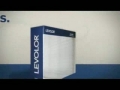
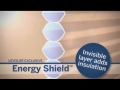
The loss of energy through windows can account for up to 20 percent of a home’s total heating and cooling costs. With a scorching summer drawing to a close and heating costs expected to rise as high as 30 percent this year, many Americans are already looking for ways to curtail energy costs this winter. New Levolor® Accordia™ Cellular Shades offer the most energy efficient window solution available, saving homeowners up to $180 on their annual energy bills. With more than 200 fabrics to choose from, including exclusive woven textures, and ingenious options such as cordless, homeowners will never have to sacrifice style for efficiency.
To view Multimedia News Release, go to http://www.multivu.com/players/English/45407-Levolor-Accordia-Cellular-Shades/
Permeable or not, this is in the case of glass, in fact the question. Light shines through, this is what most people think, however, this is not quite true. Low iron glass is aimed to protect cells, but it is supposed to also let more light energy shine on the modules than normal window glass. On the other hand, modern three-or four-glazed windows let light through, but form an energy-saving temperature barrier. This way in the winter the cold stays outside and the heat inside. In the summer modern windows can automatically darken and prevent the room from heating up - energy for air conditioning is therefore saved. Glass has a lot of potential, a fact the visitors to the trade fairs glasstec and solarpeq in Düsseldorf, will have the chance to convince themselves of.
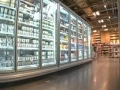
The banana is transported by plane, eggs by refrigerated trucks and yogurt can be found in open fridges, so to speak – the bottom line: In order to maintain a certain standard in a supermarket you are forced to use a lot of energy. An increasing number of supermarket owners have recognized responsibility and have started saving energy. For example, the Swiss cooperative Coop has set itself the goal of having all of their supermarkets being carbon-neutral by the year 2023.
Simply by replacing a standard bulb with and Xbulb, you'll be able to put more money back in your pocket, while lowering energy costs and helping the environment.