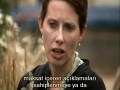
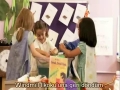
Kayalar neden sivridir, madde uzun zaman birbiri üstüne yığıldığı için mi, yoksa hayvanlar kaşındıklarında sürtünebilsin diye mi ? Göller neden durgundur, hayvanlar sürüklenmeden yıkanabilsin diye mi, yoksa akıntı olmadığı için mi ? Çocukların verdikleri cevaplardan bizden nasıl farklı düşündüklerini ve bunun dinsel eğitimde ne anlama geldiğini hep birlilkte görelim. Çok güzel bir video olmuş.
Dinlerdeki ahlak anlayışını ayetlerle gözler önüne seren süper bir yapıt. Dinlerde ne isterseniz var aslında, kölelik, insan kaçırma, tecavüz, hayvanlara işkence, bebeklerin katledilmesi, insan kurban, katliam ve ölüm. Güzel ahlak sizce gerçekten tanrıdan mı geliyor ? İzleyin ve tekrar düşünün.
http://louiseboudreau.com
Louise Boudreau spécialiste en soin des pieds à Québec.
Je peux comme thérapeute vous apporter des soins complets.
N\\\'hésitez pas à me contacter pour en savoir plus sur mes services de Soins et hygiène des pieds dans le secteur de Charlesbourg.
Bu videoda Richard Dawkins bizim diğer maymun türleriyle ne kadar yakın akraba olduğumuzu ve bizlerin şu anda yaşayan maymunlardan gelmediğimizi anlatıyor.
The simple act of eating a meal will become more dignified and enjoyable for many people with physical challenges with the launch of Obi™, a revolutionary robotic dining device. Obi blends cutting-edge robotics, elegant design, intuitive controls and a friendly personality to give individuals who are fed by others the ability to take control of their meals at home and in public.
“We believe dining is one of life’s greatest pleasures that absolutely everyone should enjoy,” said Jon Dekar, DESῙN’s co-founder. “What our device stands for is equally as important as what it does. It represents our belief that living with physical challenges can be fulfilling and inspiring. Technology, and specifically robotics, combined with modern design, should facilitate that.”
To view the multimedia release go to:
http://www.multivu.com/players/English/7850651-obi-robotic-dining-device/
After only 16 weeks of existence, foetuses hear and respond to music as long as it is emitted from their mother’s vagina. Foetuses respond to this stimulus by opening their mouths and pulling their tongues out as far as possible, making vocalisation movements – prior to the acquisition of language.
This is the main conclusion of the study conducted by the team of Institut Marquès, which boasts the collaboration of Alberto Prats, Professor of Anatomy and Human Embryology of the Faculty of Medicine of the University of Barcelona.
The study, entitled “Foetal facial expression in response to intravaginal music emission”, is published this week in the journal Ultrasound of the British Medical Ultrasound Society (BMUS).
According to Dr. Marisa López-Teijón, the Head of Assisted Reproduction at Institut Marquès and the principal researcher and author of the clinical study: “We have discovered that the formula for foetuses to hear like us is to emit music from the mother’s vagina. They barely hear the sound that reaches them through their mother’s abdomen: the soft tissues of the abdomen and the inside of the mother’s body absorb the soundwaves”.
To view the multimedia release go to:
http://www.multivu.com/players/English/7647351-how-foetuses-hear-musical-stimuli/